The Fleet
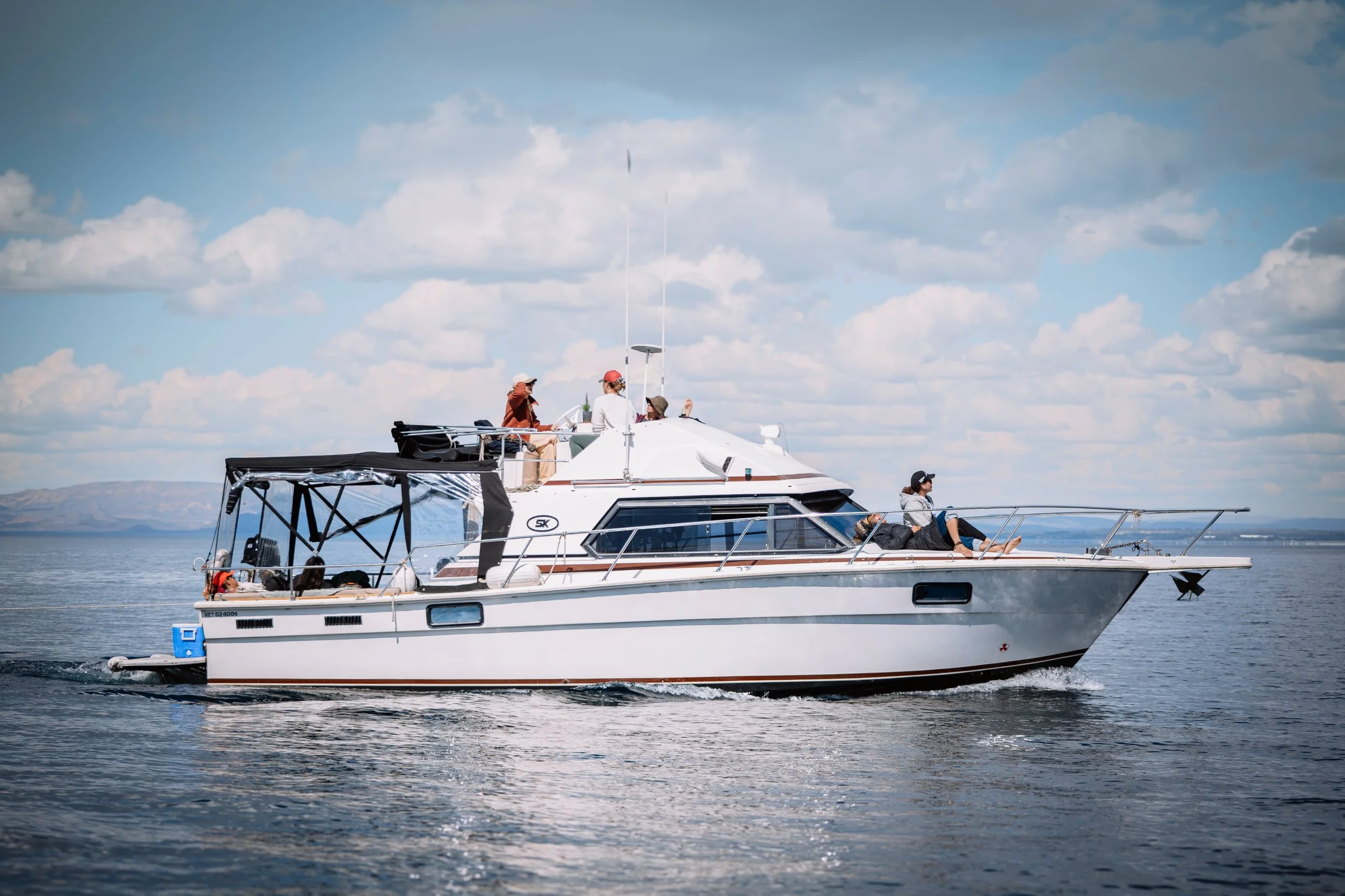
Maria Cristina - Captain Facundo Squetino
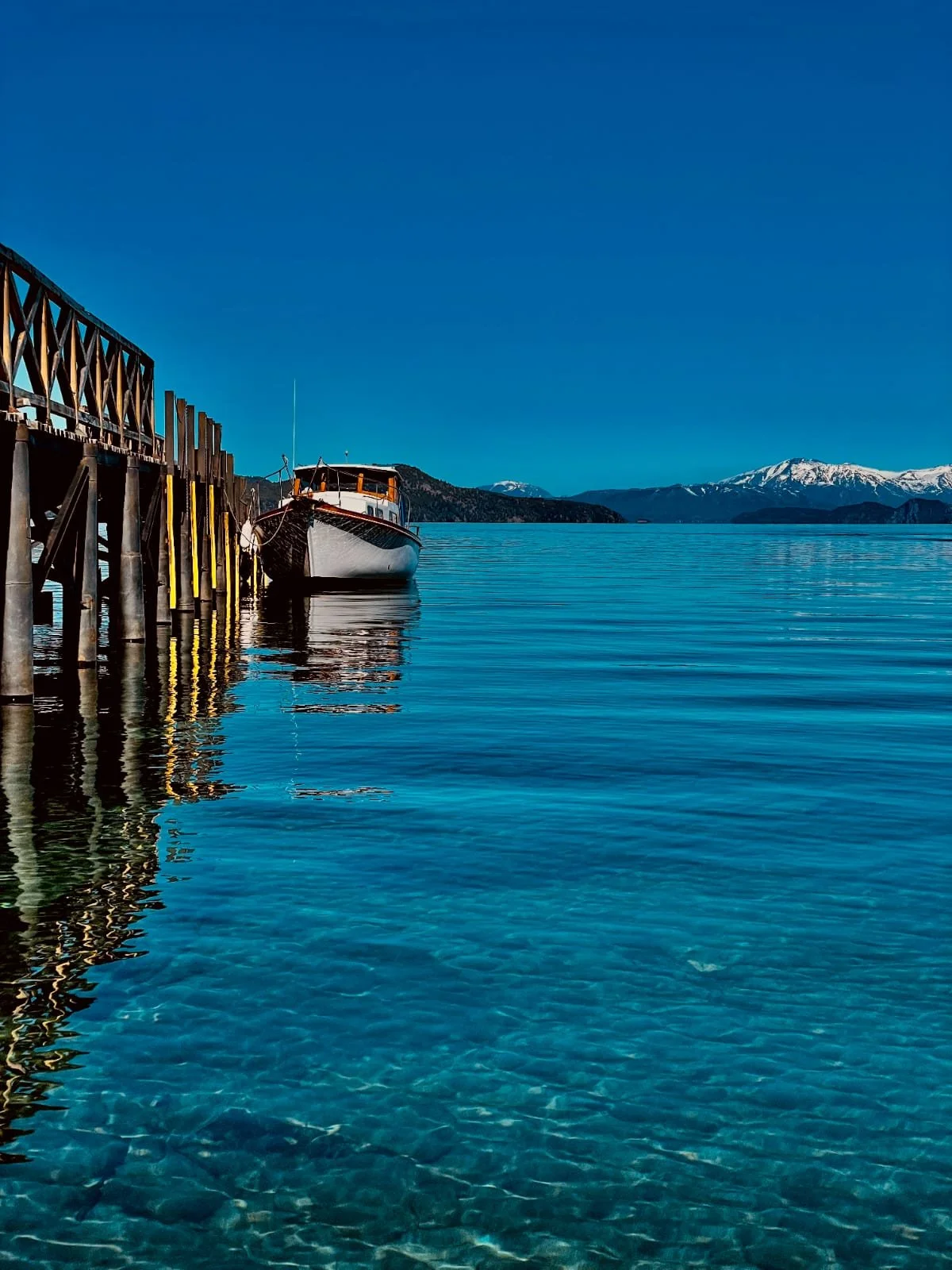
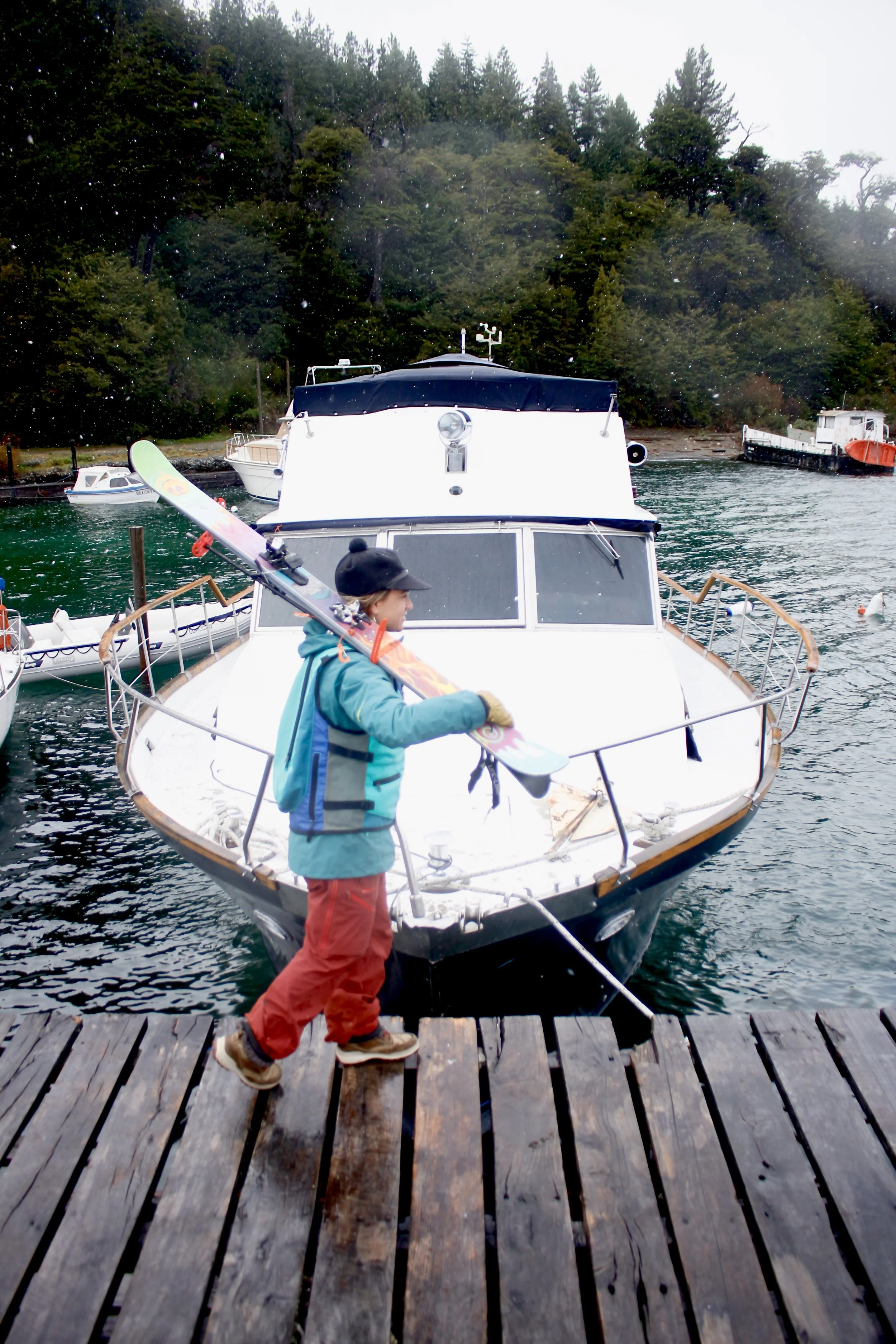
The María Cristina is a 37 foot motor yacht built for winter ski touring by boat, where speed, comfort, and carrying capacity matter most. It accommodates up to 12 guests plus crew in a spacious, heated interior designed for large groups and long mountain days.
Features onboard include: a kitchen, a refrigerator, a combined dining and lounge area, and cabins in the bow and stern. Rest, fine-tune your plans, and organize your gear, all while being comfortable in these areas during transfers, before and after your excursions. Fully supported by Starlink internet connection. Our private cabins accommodate up to four guests. Exterior features include a protected area with armchairs and a table, and a flybridge for five, ideal for navigation and visual route planning. Have more questions? Please ask about our add-on options!
Powered by a 200 HP Volvo Penta AD42 engine, the María Cristina delivers fast, reliable transfers, maximizing access to remote terrain during short winter weather windows.
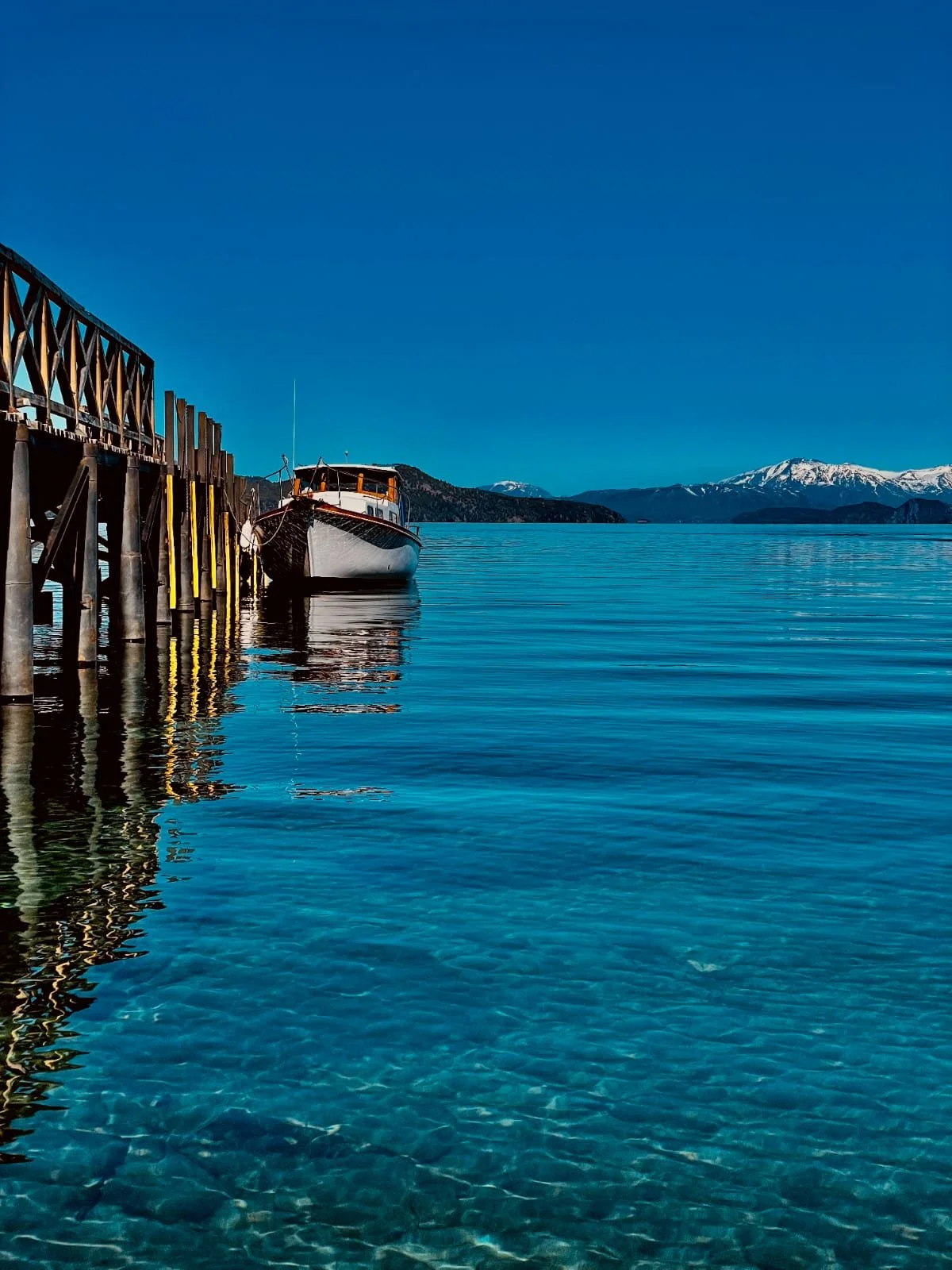
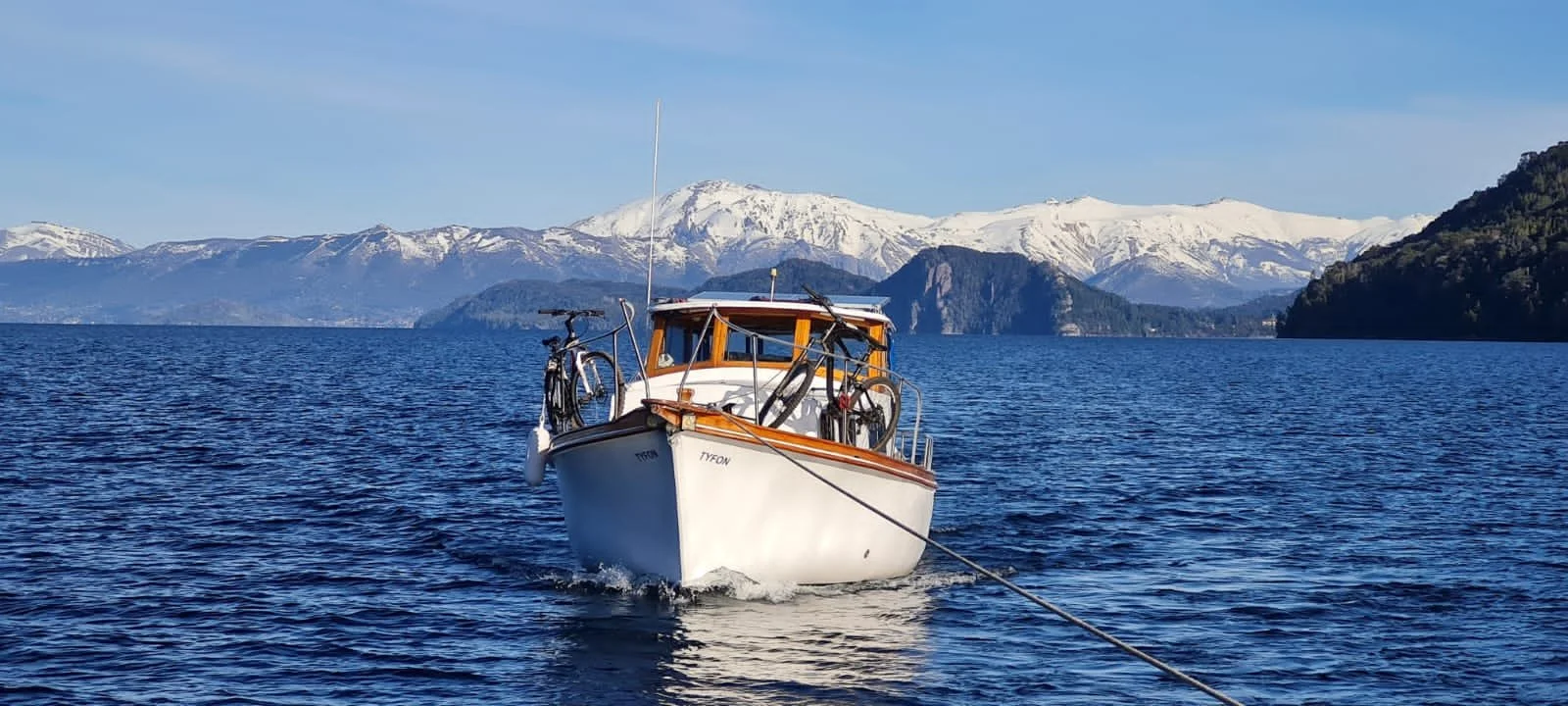
Tyfon - Captain Nano Martinez
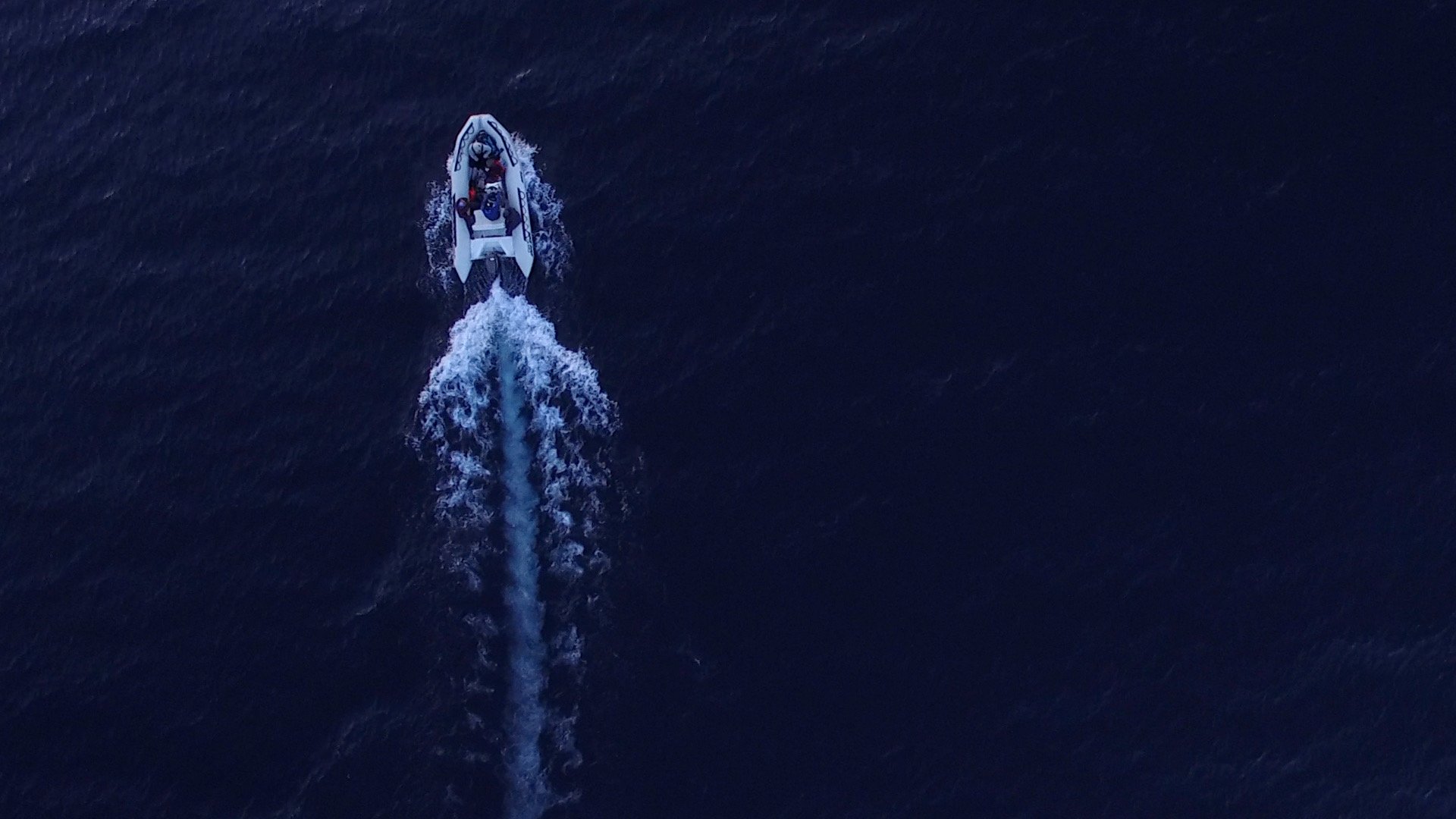
The Tyfon is a 27 foot motor yacht designed for winter ski touring by boat, with a max capacity of eight guests plus crew. Built for cold-weather operations, it features a heated, wood-clad interior that provides exceptional warmth and comfort.
Onboard amenities include a forward cabin, bathroom, and full kitchen with oven, plus 12V refrigeration for day-long autonomy, Starlink. Dual 220V and 12V power systems and Starlink connectivity support remote operations and trip planning.
A spacious stern deck allows for efficient gear organization and relaxed transitions before and after mountain objectives. Dual engines, a 70 HP Yamaha outboard and a 68 HP Indenor inboard, deliver smooth, reliable performance and excellent maneuverability in winter conditions.
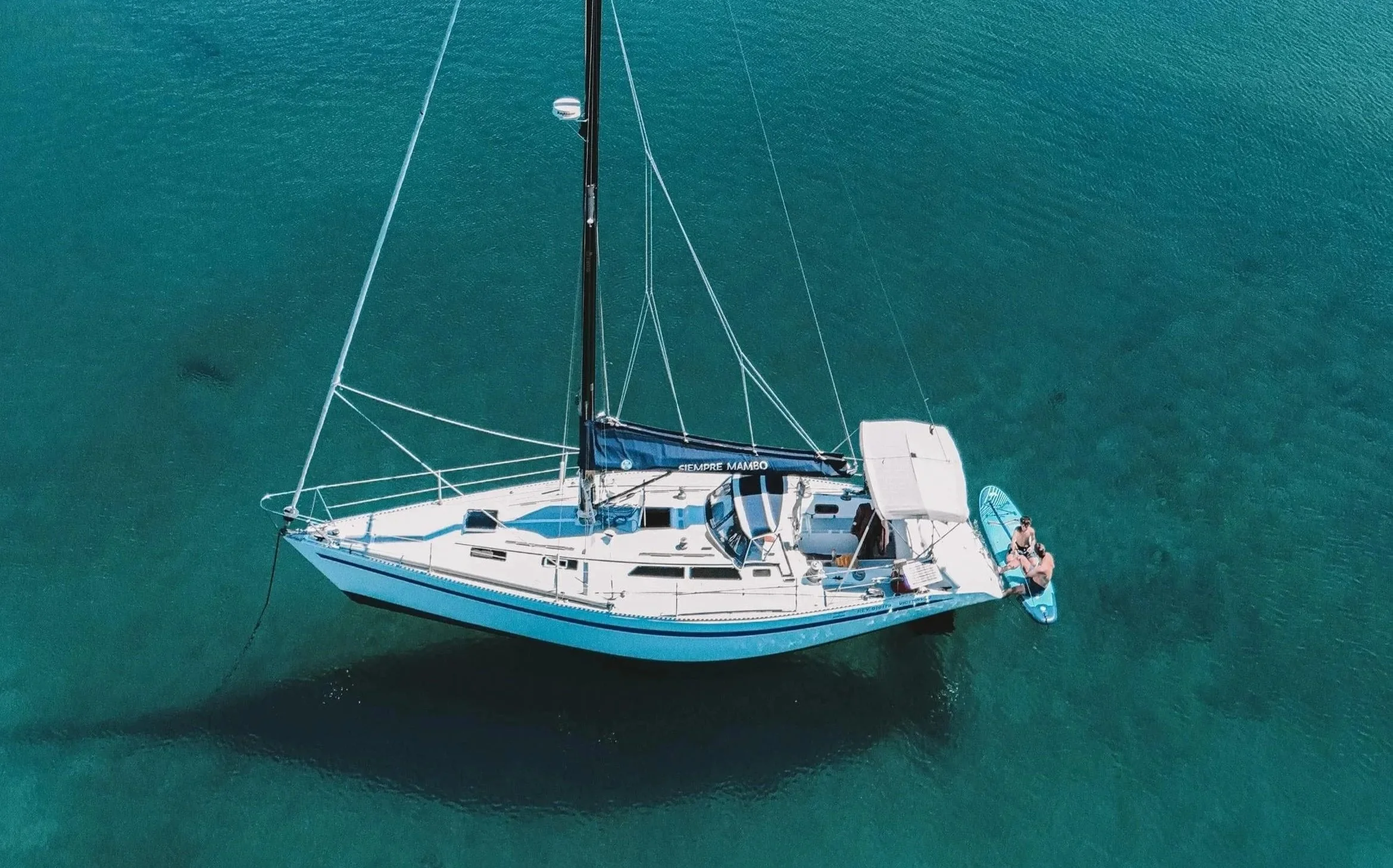
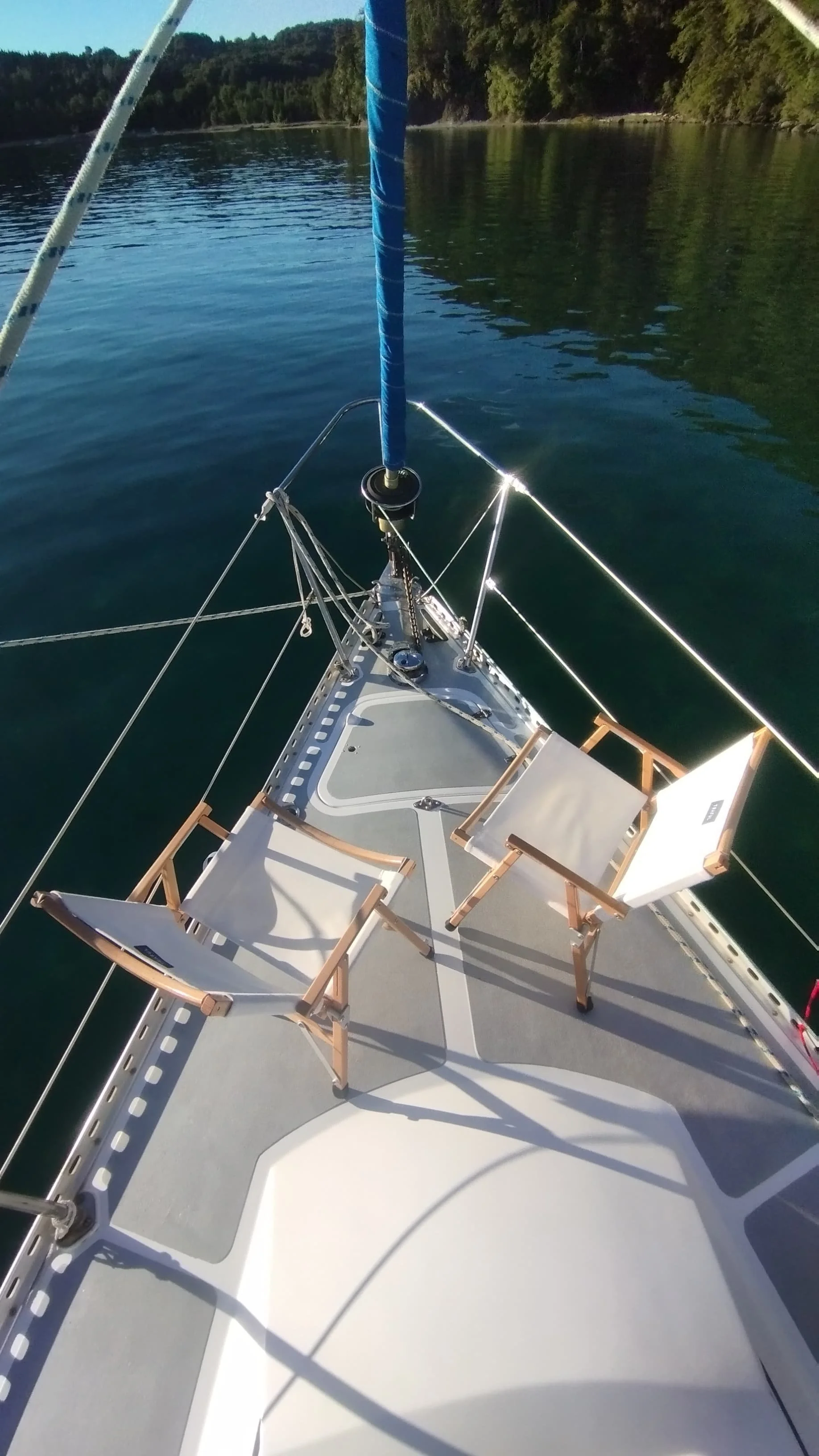
The Siempre Mambo is a 40-foot sailboat purpose-built for winter ski touring by boat, combining quiet sailing with comfort and autonomy in cold, remote environments. It accommodates up to eight guests plus crew in a spacious, heated, wood-lined interior that provides a warm and protected space for rest, planning, and recovery.
The interior includes a forward cabin, Starlink onboard, additional bunks for overnight stays, a full kitchen, and a complete bathroom, allowing for comfortable multi-day operations. Primarily sail-powered for a low-impact experience, the Siempre Mambo is supported by a 20 HP Yanmar engine, ensuring control, safety, and maneuverability during approaches, anchorages, and precise navigation.
The Culture
Bariloche
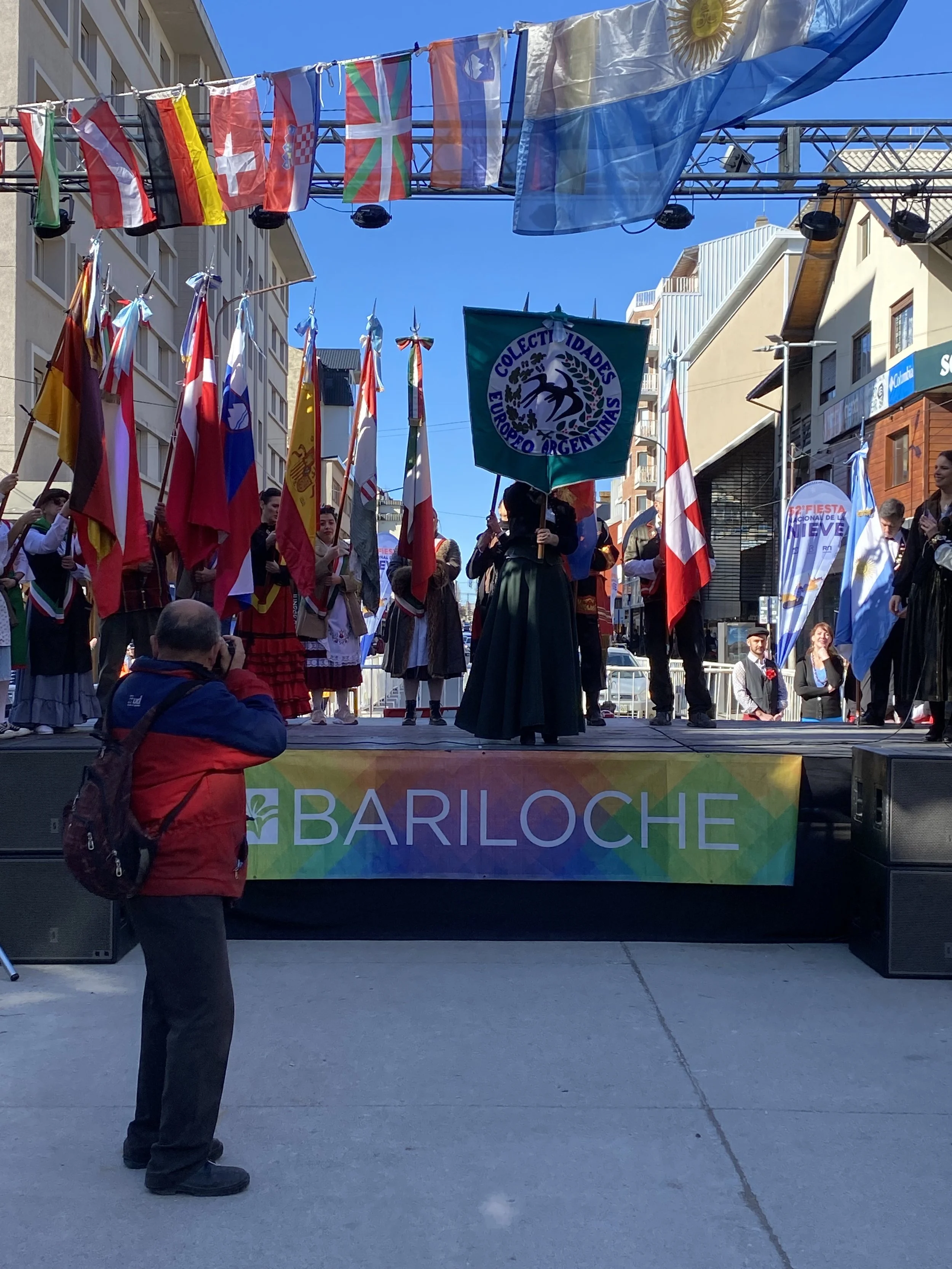
San Carlos de Bariloche sits at the heart of one of Argentina’s largest and most diverse protected landscapes, where the Andes rise directly from deep glacial lakes and dense Patagonian forests. The town is best known internationally as home to South America’s largest ski resort, a legacy that helped establish Bariloche as a winter destination decades ago.
Bariloche’s story begins in the late 19th and early 20th centuries, when it emerged as a remote trading and timber outpost. The region attracted waves of European immigrants, particularly from Germany, Switzerland, Austria, and Italy, whose influence remains visible today in the town’s architecture, food, and mountain culture. Early settlers built a self-reliant community shaped by forestry, lake trade routes, and the demands of living year-round in a rugged alpine environment. This heritage laid the foundation for Bariloche’s deep connection to the mountains, one rooted as much in work and survival as in recreation.
Today, Bariloche blends Patagonian wilderness with a distinct cultural identity. Stone lodges, alpine chalets, local cervecerías, and a cuisine influenced by European traditions coexist alongside Argentine customs and hospitality. The town feels lived-in and authentic rather than manufactured, and activities are shaped by the ever-present mountains.
For skiers, Bariloche offers something increasingly rare: a true mountain town where scale, terrain, history, and culture intersect naturally. It is a place where backcountry skiing is not an add-on to a resort experience, but a continuation of a long relationship between people and landscape, deep in the heart of Patagonia.
Cuisine
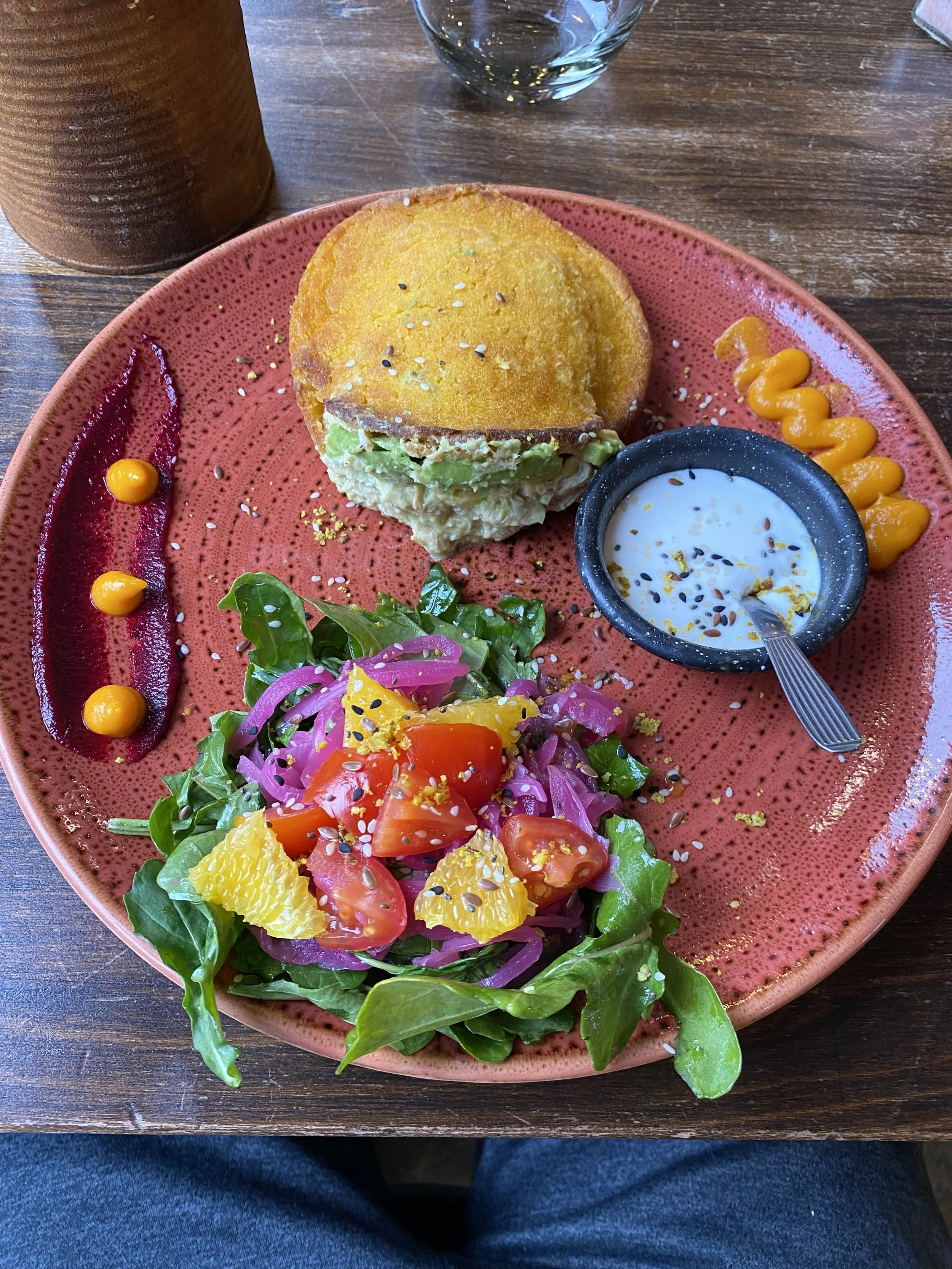
The experience is further enriched by Bariloche’s deeply rooted food and culinary culture. The town is widely regarded as Argentina’s capital of chocolate and ice cream, a tradition brought by European immigrants and refined over generations. Artisan chocolate shops and heladerías are woven into daily life, not as novelties, but as part of the town’s identity.
Bariloche is also known for its strong craft beer culture. Dozens of small cervecerías produce high-quality beers inspired by German, Belgian, and alpine traditions, often brewed with Patagonian water and local ingredients. Sharing a beer after a day in the mountains is as much a ritual here as the skiing itself.
Patagonian cuisine reflects the landscape that surrounds it. Local menus feature wild venison, fresh lake trout, lamb, smoked meats, and hearty alpine-style dishes such as fondue and stews designed for cold mountain evenings. Traditional cooking methods like curanto, slow-cooked underground with hot stones, coexist alongside classic Argentine asado, creating a cuisine that is both rustic and refined.
Together, food, history, and place form a culture that feels authentic and unhurried. In Bariloche, meals are meant to be shared, stories linger at the table, and the connection between land, people, and tradition is always present.

Lake Nahuel Huapi
Lake Nahuel Huapi lies at the heart of northern Patagonia, shaping the region long before San Carlos de Bariloche was founded. Indigenous communities once traveled its long, branching waters as natural routes between valleys and seasonal grounds, using the lake as both passage and lifeline. Later, early settlers relied on Nahuel Huapi for navigation, trade, and access to remote mountain zones, establishing Bariloche as a gateway to the surrounding wilderness.
Today, the lake continues to connect the landscape. Its fjord-like arms reach deep into Nahuel Huapi National Park, providing access to terrain that remains difficult to reach by road, especially in winter. Boat-access ski touring follows these historic routes, combining lake travel with human-powered ascents to reach quiet forests, open alpine faces, and rarely traveled zones beyond the resort.
Moving across Nahuel Huapi is a distinctly Patagonian experience: slow approaches, vast space, shifting weather, and a deep sense of connection to the land. The lake remains both a pathway and a reminder that in Patagonia, travel is shaped as much by history and water as it is by mountains.
Lodging
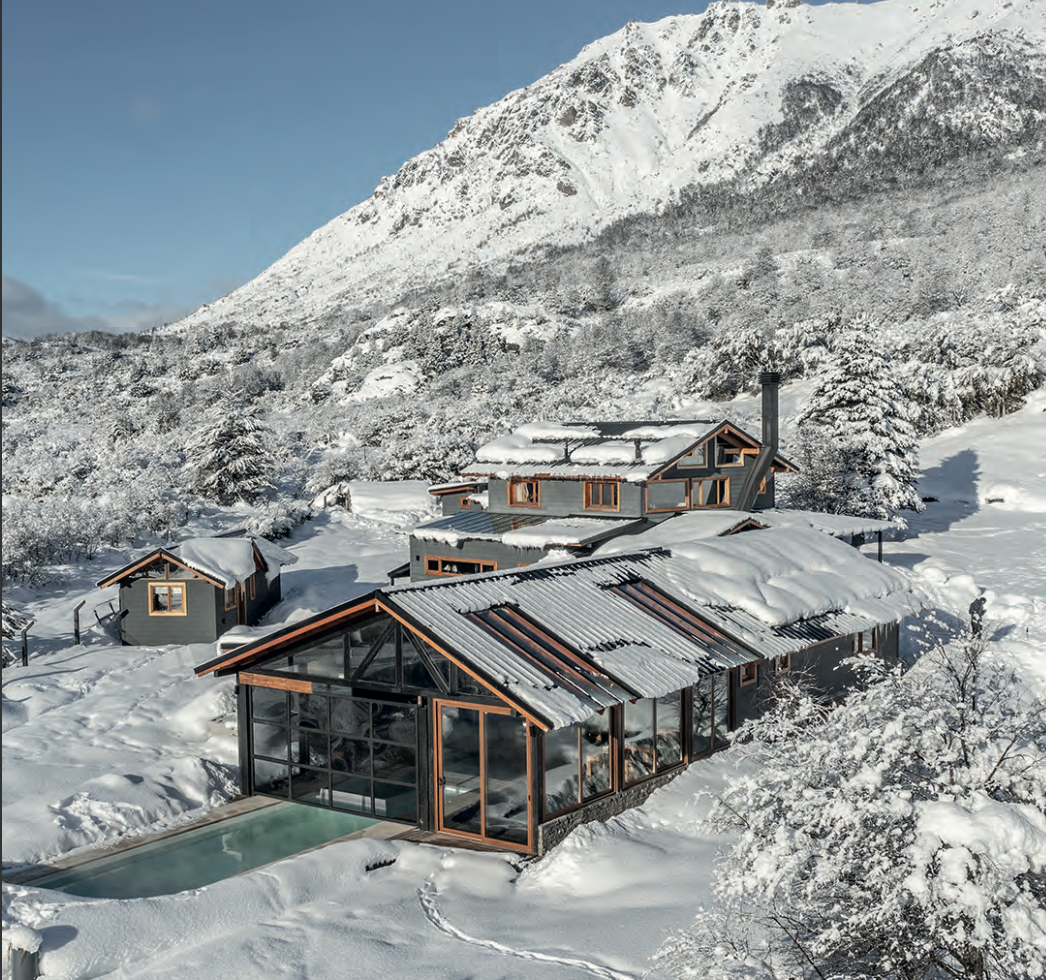
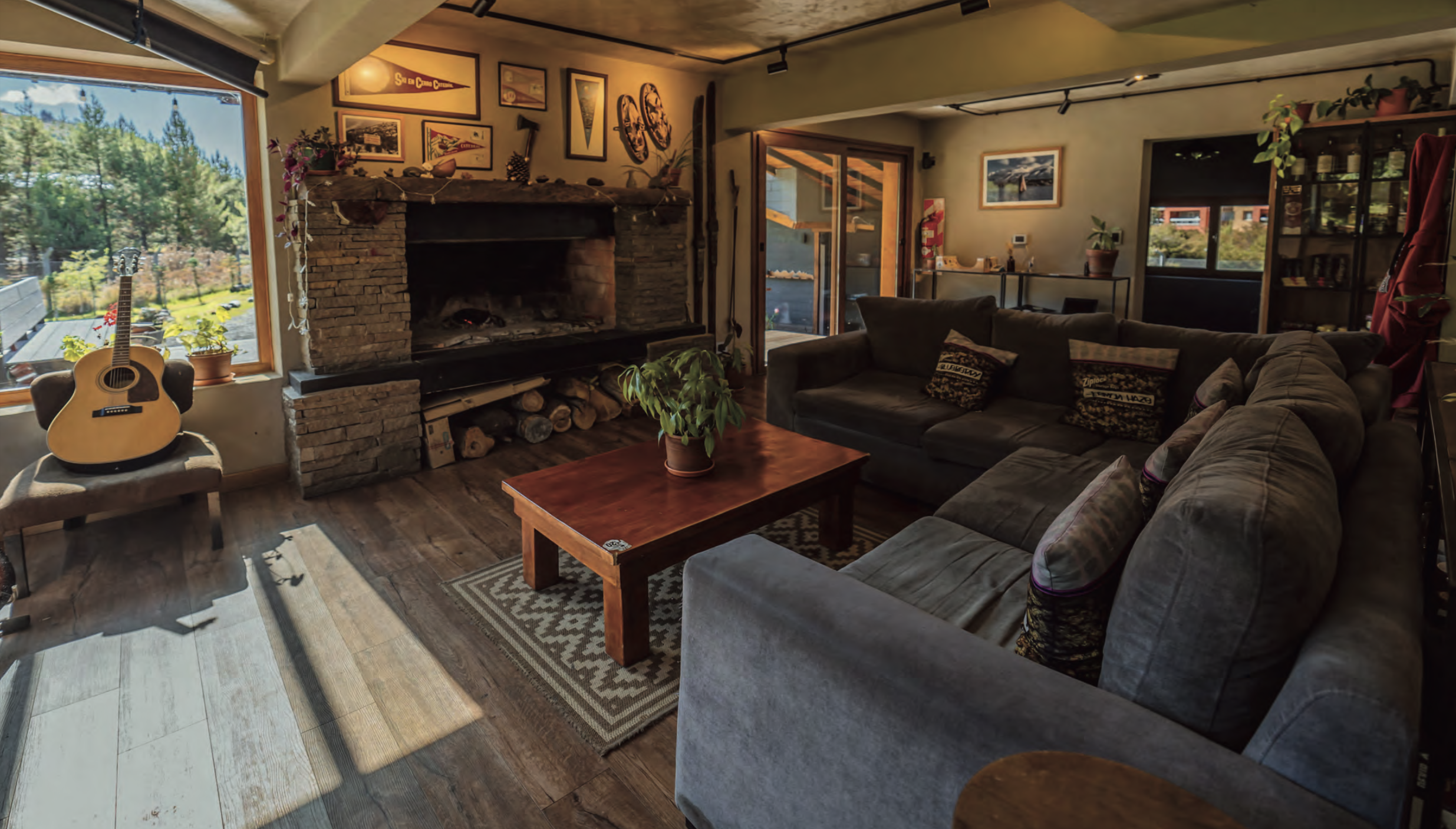
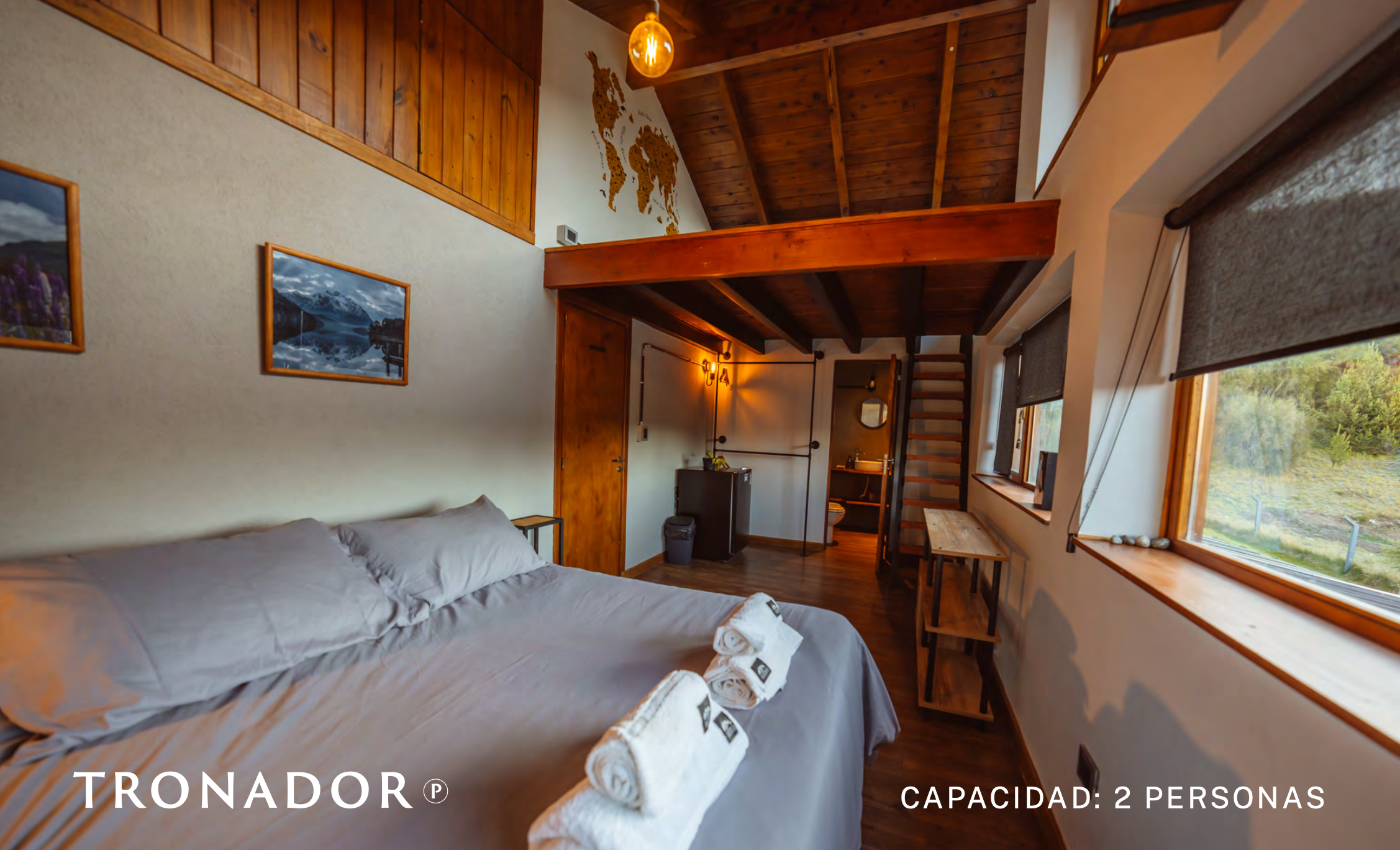
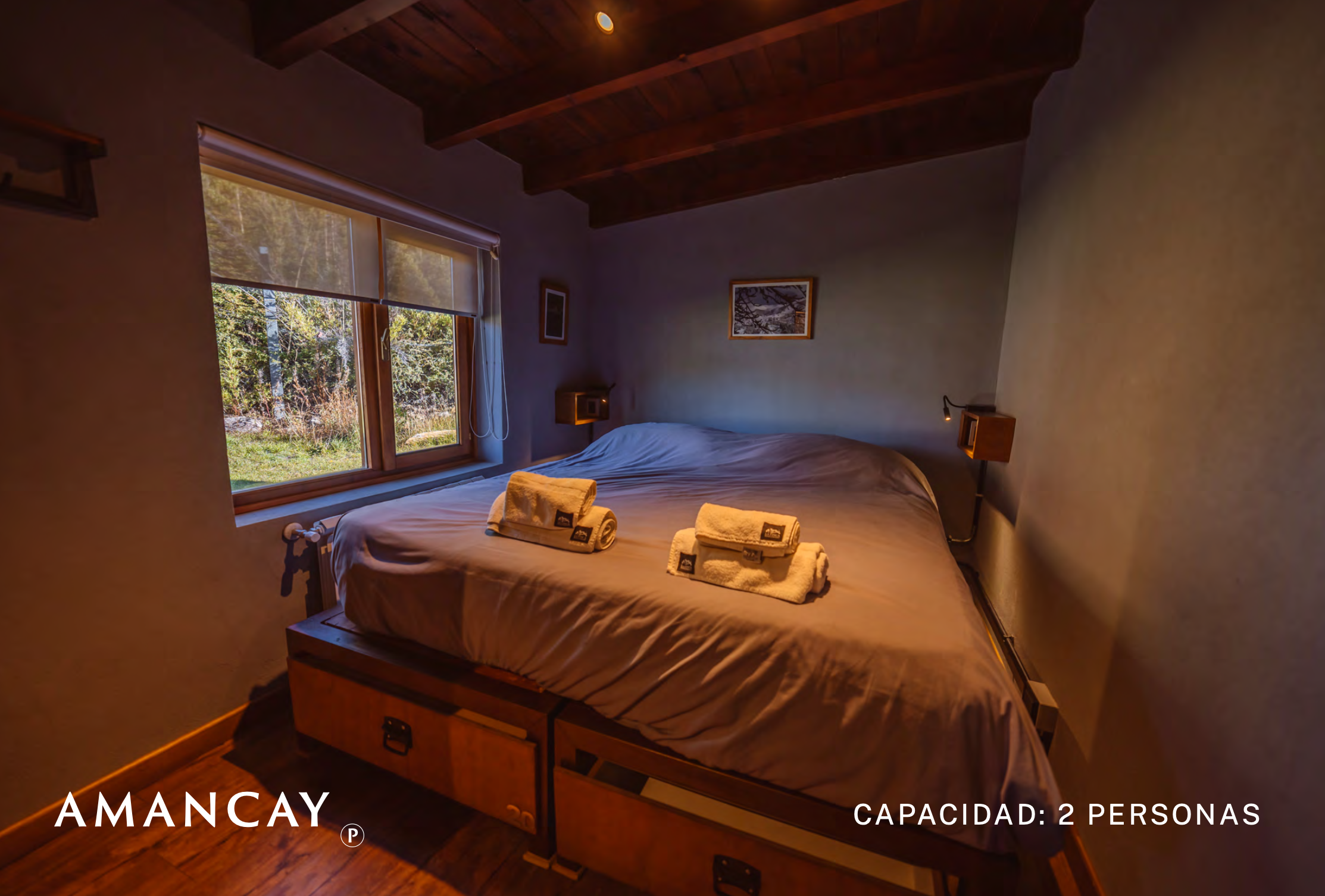
Lodging is dependent on availability and group requirements. Please talk to our staff about lodging questions and customization options
More Time?
One week just scratches the surface of this amazing playground of Patagonia
Would you enjoy spending a night on the boat
Guided backcountry multiday hut trips
The Frey, Lopez, and more
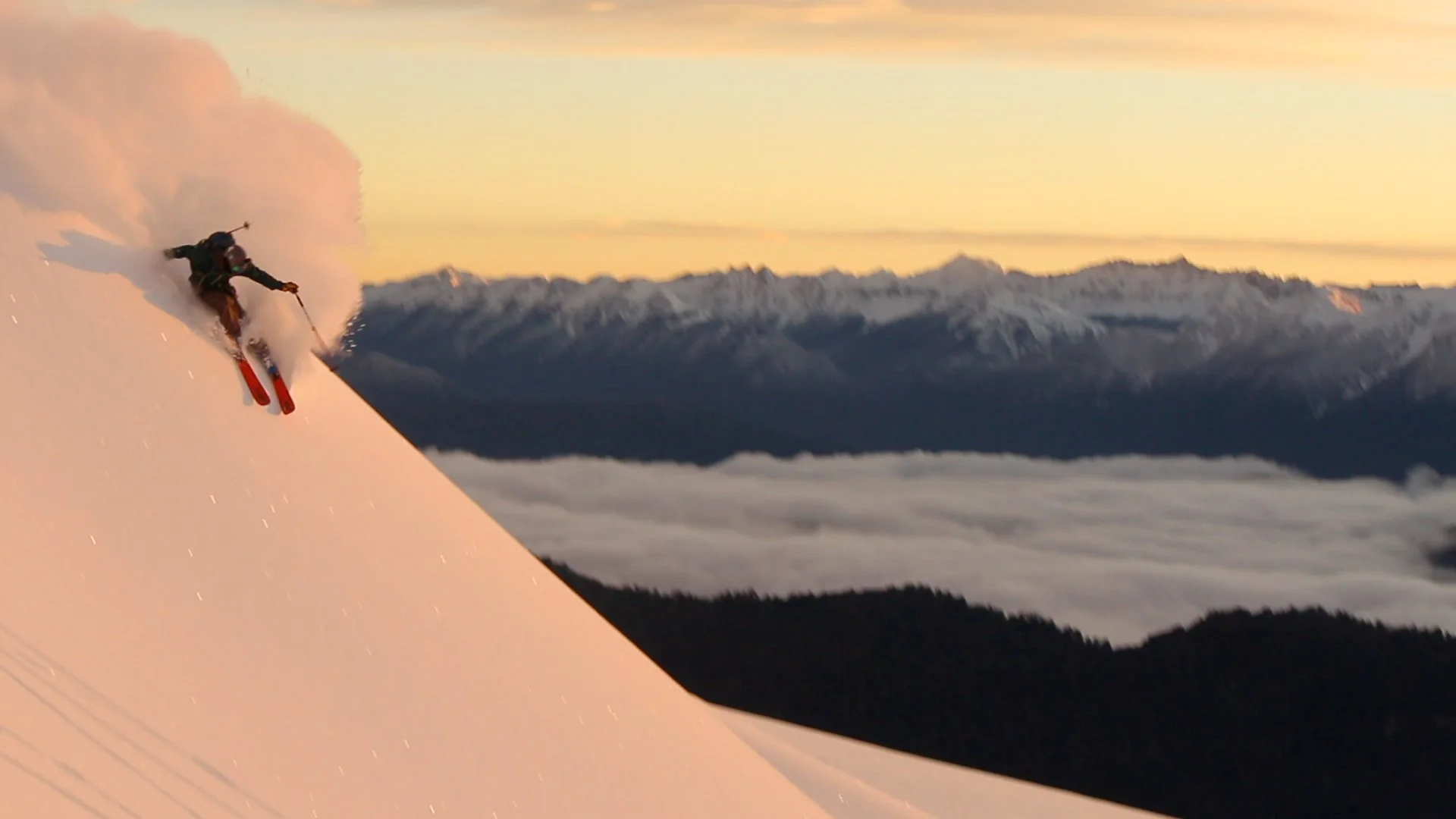
More days skiing the region’s resorts and endless guided backcountry options.
Cerro Catedral (the largest vertical change in South America), Cerro Bayo, Cerro Perito Moreno, (Piedras Blancas), Cerro Chapelco
Ski touring by horseback
Contact us for trip add-on options and extra week customization options